

Umrah Ziyarat in Makkah and Madinah
Umrah Ziyarat tours to Makkah and Madinah elevate the overall experience of Umrah travellers. Visiting historical sites in both sacred cities holds deep significance for Umrah pilgrims. It's a golden opportunity to build an emotional bond with the Holy Prophet by visiting well-renowned places that he once lived in or visited during his lifetime. Umrah Ziyarat tours include visits to significant sites in both Makkah and Madinah. Pilgrims perform ziyarat after completing all the Umrah rituals (Ihram wearing, Tawaf, Sai, and Halq or Taqsir) according to a complete Umrah guide.
The important ones and worthy places to explore after completion of the Umrah pilgrimage include the cave of Hira, Masjid al-Nimra, Jabal Thawr, and Jannat al-Mualla in Makkah. Similarly, the sacred places in Madinah include Masjid an-nabawi, the Battlefield of Uhud, the Qiblatain Mosque, and the Quba Mosque. Pilgrims can book Umrah packages 2026 from Cheap Umrah Packages as their trusted travel partners that include all possible Umrah services, ranging from bookings, the approval of visas, hotels in both cities, transportation, and two-way flights to arranging visits to Ziyarat sites in Makkah and Madinah.
What Is Umrah Ziyarat?
Umrah Ziyarat refers to the religious visits to significant Islamic historical and sacred sites in Makkah and Madinah that pilgrims usually perform after completing Umrah. These visits are not a mandatory part of Umrah, but they are highly recommended, as they deepen spiritual understanding and connection to Islamic history.
Significance of Performing Umrah Ziyarat in Makkah and Madinah
Performing ziyarat isn't part of an Umrah but has its own significance. And undertaking ziyarat tour as an Umrah pilgrim is the best way to explore the sacred sites of Makkah and Madinah beyond Haramain. After all, the purpose of visiting ziyarat sites is to connect with the history of Islam and revive the significance of each site.
For example, ziyarat sites in Makkah make pilgrims aware about the early days of Islam and the role of new Muslims against powerful non believers. Similarly, ziyarat sites in Madinah make pilgrims recognize the sacrifices of Muslims to establish Islam. Therefore, ziyarat is important in this sense because it compliments the importance of Umrah and makes pilgrims understand the true meaning of Islam. In short, there are several spiritual, moral, and intellectual benefits of performing Ziyarat, like:
- Deepening faith through reflection at sacred places.
- Gain of unique blessings and rewards from Allah SWT.
- Performing Ziyarat makes the Umrah pilgrimage more remarkable and memorable.
Is it Obligatory to Perform Ziyarat in Makkah and Madinah?
No. Ziyarat isn't part of Umrah rituals and also not obligatory to perform on pilgrims. So, pilgrims can also skip undertaking ziyarat tour at all during their Umrah journey and still their Umrah will be valid. Though skipping ziyarat isn't a sinful act, visiting ziyarat sites is a significant act. In short, performing ziyarat is a way to understand more about Islamic history and visit the sites which are connected with the lives of our beloved Holy Prophet and early Muslims. So, performing ziyarat is totally an optional thing that Umrah pilgrims can either skip or opt for by their own choice.
How Many Ziyarat Sites Are in Makkah?
There isn't a fixed number about how many ziyarat sites are in Makkah. However, there are more than 20 well-known ziyarat sites in Makkah which are related to the Islamic history and the life of the Holy Prophet. However, Umrah pilgrims often visit the most prominent ziyarat sites which are roughly 8 to 12 in Makkah. To understand better, you can divide these into categories like historical mountains and caves like Jabal Al-Nour, the cave of Hira and Jabal Thawr, sacred mosques like Masjid Aisha, Masjid al-Jinn, Masjid al-Nimrah, sites of heritage like the birthplace of the Holy Prophet and al-Kiswah factory, and Hajj sites like the mount of Arafat, Mina and Muzdalifah.
Ziyarat In Makkah
Since Makkah is a home to the Islamic history, it's a city of sacred ziyarat sites connected to our beloved Holy Prophet. In addition to Umrah, visiting these ziyarat sites further strengthens the spiritual renewal and deep religious reflection. Besides Masjid al-Haram, Kaabah and the hills of Safa and Marwa that pilgrims visit while performing Umrah, here are significant Ziyarat sites that every pilgrim should visit:
Jabal al Noor
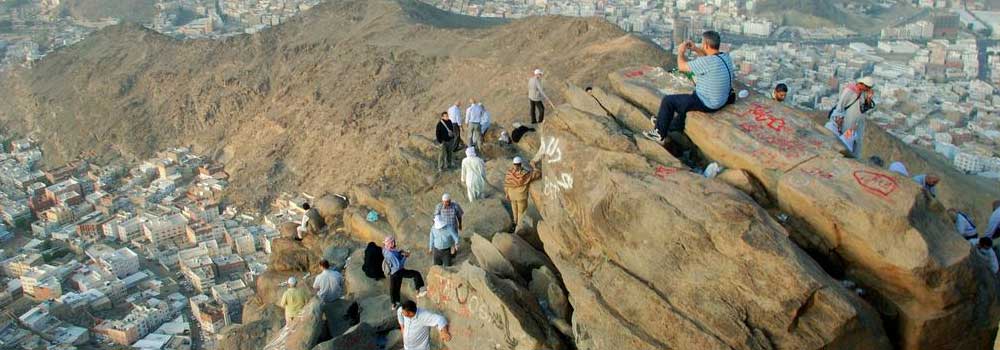
Jabal al-Noor is a mountain in the holy Makkah where our beloved Prophet (PBUH) used to visit the Cave of Hira for meditation and solitude. It is widely known that the Holy Prophet received the first Quranic revelation from the Angel Jibril in the Cave of Hira. Therefore, visiting Jabal Al-Nour helps pilgrims revive the critical moment in the Islamic history when the revelation began. Because pilgrims have to climb the mountain to reach the Cave of Hira, children and elders should avoid visiting Jabal al-Nour. Similarly, pilgrims should plan a ziyarat tour to Jabal al-Nour early in the morning to avoid midday heat.
Jabal Thawr
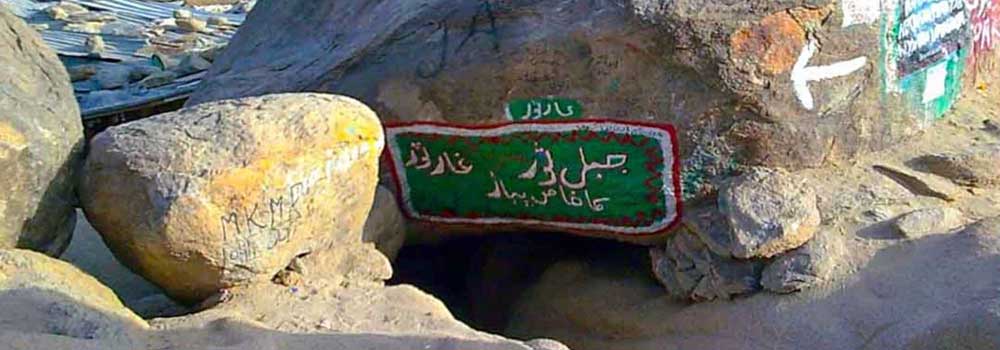
Jabal Thawr is another significant mountain in the Islamic history located close to Makkah on the way to Madinah. This is the mountain where the Holy Prophet with his companion Hazrat Abu Bakar hid himself from Quraysh-e Makkah during their migration to Madinah. At that point, a spider miraculously protected them which definitely symbolises divine aid. So, pilgrims during their Umrah journey want to visit Jabal Thawr to experience the sacredness and sanctity of this place. Visiting Jabal Thawr reminds pilgrims about the sacrifices that our Holy Prophet made to establish Islam and convey the divine message to us.
Arafat and Jabal al-Rahmah
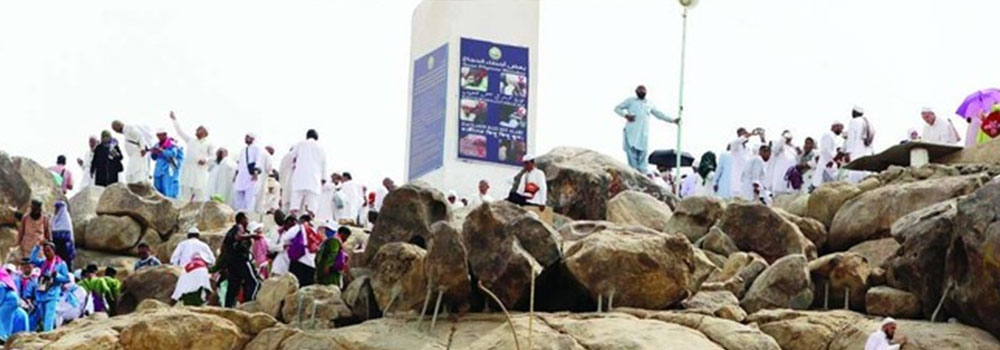
The mount of Arafat is an essential pilgrimage site for Hajj pilgrims. However, Umrah pilgrims can also visit the mount of Arafat to witness the sacredness of this site and to experience the worship of Hajj pilgrims. In addition, Jabal al-Rahmah is a granite hill located in the same plain of Arafat known as a place of reunion of Hazrat Adam and Hawwa. The mount of Arafat is located close to masjid al-Haram, hence every pilgrim can visit this site to renew their faith.
Mina
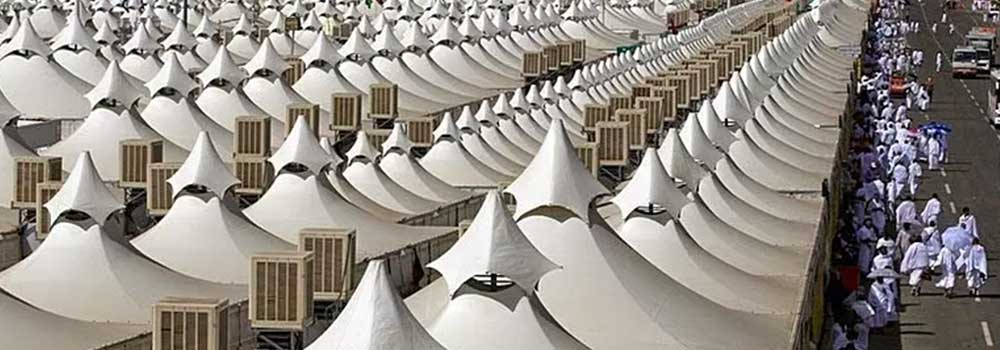
This valley holds the spirit of sacrifice. White tents line its grounds during Hajj, but its story endures every day. It is a place where pilgrims express obedience and patience. Therefore, it's worth visiting ziyarat sites in Makkah for Umrah pilgrims which is quite easier for pilgrims who want to visit the mount of Arafat as well.
Jannat al-Mu'alla
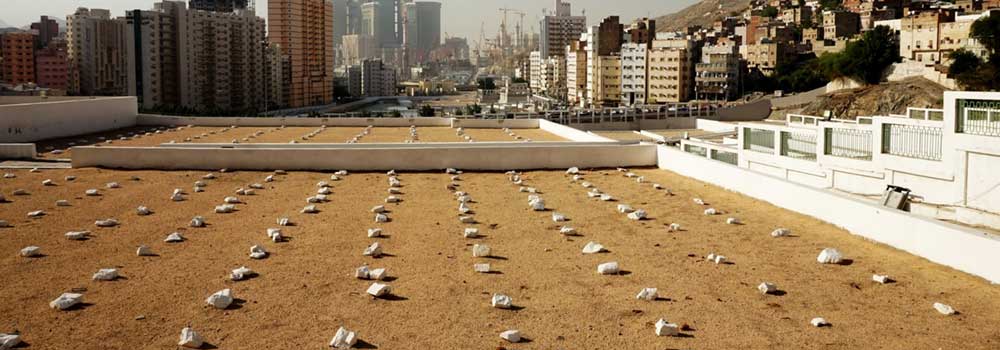
Jannat al-Mu'alla is a graveyard which rests quietly in Makkah. It holds the Prophet's (PBUH) loved ones and early believers. Therefore, pilgrims can visit these graves and make Dua for them. It is a place that whispers lessons of life, loss and faith. After all, it's the Sunnah of the Holy Prophet to visit the graveyards and pray for deceased ones buried there. Also, he recommended Muslims to visit graveyards as it revives Muslims of their death and the life hereafter.
Approximate Distance of Ziyarat Sites from Masjid al-Haram
| Ziyarat Site | Distance (km) |
|---|---|
| Jabal al-Nour (Cave of Hira) | 6 km |
| Jabal Thawr | 7 km |
| Arafat | 21 km |
| Mina | 8 km |
| Jannat al-Mu'alla | 2 km |
How many Ziyarat Sites in Madinah?
In general, there are more than 30 ziyarat sites in Madinah in terms of sacredness and Islamic history. However, Umrah ziyarat usually involves up to 10 to 12 ziyarat sites due to the shortage of time for Umrah pilgrims. Among these, Jannat al-Baqih and Masjid Quba are ultimate sacred sites that every Umrah pilgrim must visit during their journey. Besides, there are historic mountains and battlefields like Mount Uhud and the seven mosques (Sab'a Masajid), the sacred mosques like Masjid al-Qiblatayn, Masjid al-Ghamama, and Masjid Al-Jumuah. In addition, the Salman Farsi date farm and well of Uthman are also significant ziyarat sites of Madinah for Umrah pilgrims.
Ziyarat in Madinah
Umrah pilgrims love to visit the Ziyarat places located in Madinah to deepen their faith and express devotion for the holy Prophet. This is the reason we, at Cheap Umrah Packages, include Madinah visit to each standard Umrah itinerary so that every pilgrim can travel to Masjid An-Nabawi and experience its immense spirituality and sanctity. With this, our expert Umrah guides are available at each step of the journey to plan a fully equipped visit to Ziyarat in Madinah, with first-class transportation and guidance throughout the journey.
Masjid Quba
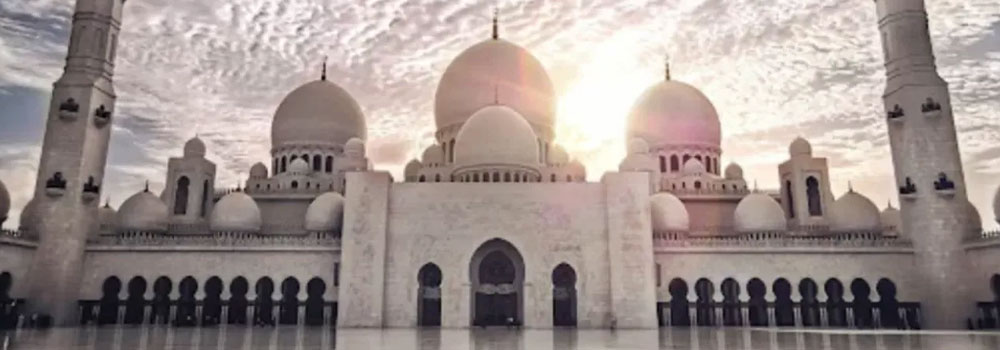
Masjid Quba is the first mosque in Islamic history that the Holy Prophet and his companions built together in Madinah after their migration from Makkah. Therefore, it's a highly significant mosque in Islam and hence offering prayers there is also a rewarding act. For example, offering two rak'ah Salah in Masjid Quba holds the reward equals to the reward of a complete Umrah. Therefore, Umrah pilgrims should definitely visit Masjid Quba during their journey to Madinah to offer prayer and make Dua's there.
Masjid al-Qiblatayn
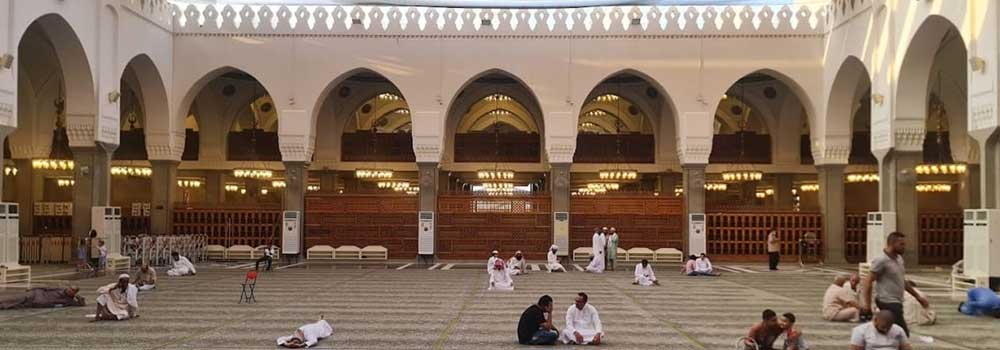
Masjid al-Qiblatayn is another significant mosque in Islam where early Muslims used to offer prayers in the direction of two Qibla, and hence its name "Qiblatayn". This mosque is a living example of the level of faith of early Muslims and their obedience towards the command of Allah. This is the mosque where the Holy Prophet received the command from Allah to offer prayers in the direction of Kaabah instead of Jerusalem. And therefore, the Holy Prophet and his companions turned their Qibla while offering prayer at that time. So, this is the place that revives the remembrance of both the Qibla in Islam.
Mount Uhud
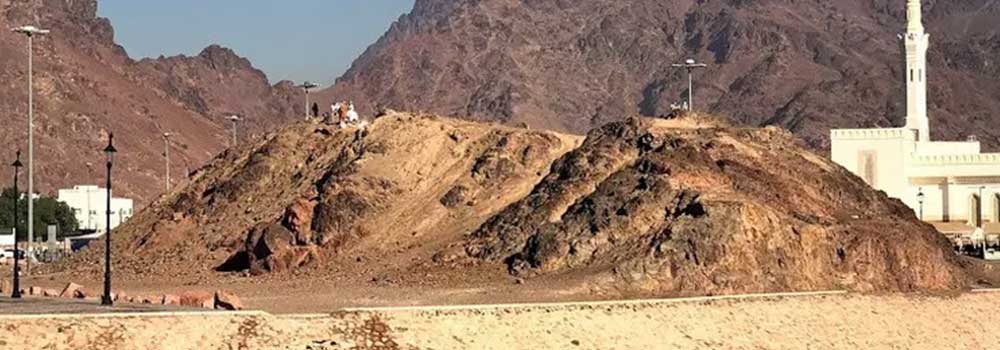
The mountain of Uhud is a significant Ziyarat place in Madinah near Masjid an-nabawi that every pilgrim should definitely visit. It's an historic site of the Battle of Uhud and the resting place of the beloved martyrs, including Hazrat Hamza (RA). Therefore, visiting the mount of Uhud powerfully teaches deep lessons of patience, obedience and reliance on Allah Almighty.
Sab'a Masajid (the Seven Mosques)
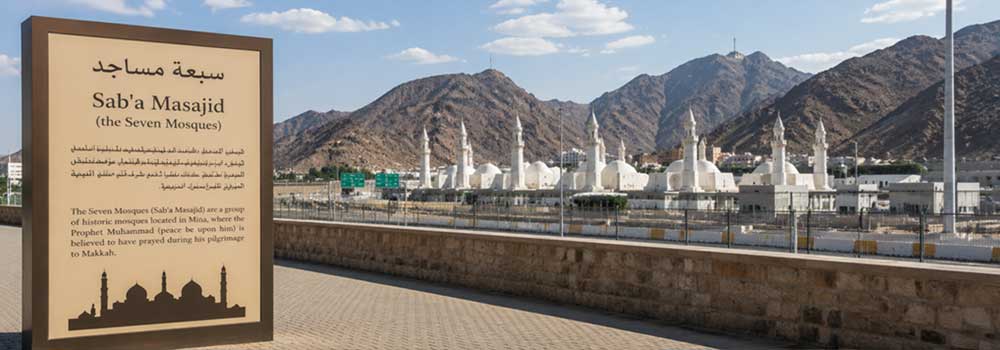
Sab'a Masajid is a complex of various small mosques including Masjid al-Khandaq. These historic mounts are located near the battlefield of Khandaq where Muslims defended themselves by digging Khandaq around the border of Madinah. So, visiting Sab'a Masajid revives the patience and bravery of Muslims that every Muslim should practice to protect the status of Islam and implement the message of Islam in daily life.
Well of Uthman
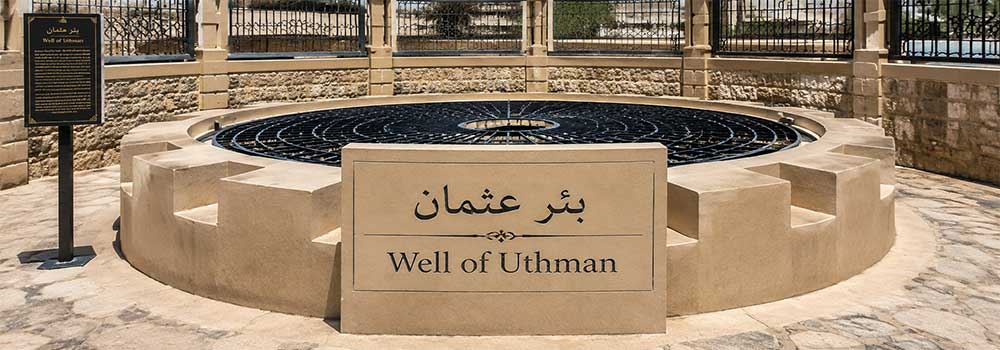
The well of Uthman is another significant Ziyarat place in Madinah related to a noble charity of Hazrat Uthman during the early days of Muslims in Madinah after their migration. Hazrat Uthman purchased the well known as Bi'r Rumah so that Muslims can utilize fresh water for free without any restriction. And that Well is still there in Madinah benefiting the nearby soil. Therefore, visiting the Well of Uthman revives pilgrims about the generous act of charity that lasts beyond the life of a doer.
Approximate Distance of Ziyarat Sites from Masjid an-Nabawi
| Ziyārah Site | Distance (km) |
|---|---|
| Quba Mosque | 4 km |
| Qiblatain Mosque | 5 km |
| Mount Uhud | 5 km |
| Sab'a Masajid (Seven Mosques) | 3 km |
| Well of Uthman | 6 km |
Importance of Ziyarat in Umrah Journey
In short, all of these ziyarat places hold meaning beyond words. So, you should definitely plan a ziyarat tour to Makkah holy sites to enhance your pilgrimage experience. For this, Cheap Umrah Packages organizes ziyarat tours to let pilgrims perform ziyarat comfortably and with guidance.
How to perform Umrah ziyarat?
Performing ziyarat isn't the same as visiting any popular place in foreign. In fact, it's a kind of worshipping act associated with humility and respect of the places important in Islam. Therefore, pilgrims should perform ziyarat while expressing humility and gratitude. In Makkah, pilgrims should visit Masjid al-Haram completely before visiting other sites like Jabal al-Nour or Jabal Thawr. In Madinah, pilgrims should visit Masjid an-nabawi first and consider sending Salawat at Rawdah of the Holy Prophet. It also includes offering voluntary prayer in Riyadh ul-Jannah.
Etiquettes of Ziyarat
To perform ziyarat accurately, here are also some etiquettes to follow like:
- Having a sincere attention to visit the sacred places in Makkah and Madinah to remember Allah and learn from Islamic history.
- Maintaining purity or performing Wudu.
- Wearing modest dress.
- Avoiding acts of worship directed to anyone like bending for or asking for anything from besides Allah.
- Practicing patience, humbleness and respect for fellow pilgrims at ziyarat sites.
- Avoiding to cause any inconvenience to others.
Best time to perform Ziyarat in Makkah and Madinah
The best time to perform Ziyarat in Makkah and Madinah is immediately after offering Fajr prayer or after Asr prayer. This is because performing ziyarat is a voluntary act so you can't miss obligatory prayers just because of your ziyarat trip. Also, try to offer all the obligatory prayers in Masjid al-Haram while in Makkah and Masjid an-nabawi while in Madinah to get maximum reward. Similarly, it's the best time in terms of feasible weather conditions and avoiding mid-day heat.
How long does it take to perform ziyarat in Makkah and Madinah?
The time it takes to perform ziyarat in both Makkah and Madinah directly depends on the number of ziyarat sites that pilgrims are going to visit. For example, pilgrims can visit major ziyarat sites in 4 to 5 hours in each of the sacred cities. However, it can also take 2 to 3 days to visit all the ziyarat sites in Makkah or Madinah without skipping obligatory prayers in Haramain.
Similarly, the time it takes to perform ziyarat also depends on your mode of ziyarat tour. For example, private ziyarat groups take less time to visit more ziyarat sites while shared ziyarat tours take much longer in gathering fellow pilgrims and commuting from one site to another.
How Much Does Umrah Ziyarat Cost in Makkah and Madinah?
The cost of Umrah ziyarat in Makkah and Madinah is highly flexible and depends on individual choices. In general, it costs 20 to 50 SAR per person for a shared ziyarat tour and up to 200 SAR for private ziyarat tours. Not just this, the cost also fluctuates depending on the number of ziyarat sites that pilgrims want to visit. For example, visiting only the major ziyarat sites takes about 100 to 150 SAR while considering all the ziyarat sites can take up to 350 SAR in Makkah or Madinah. Well, the best way is to undertake a half-day private ziyarat tour of 4 to 5 hours and consider visiting only the popular ziyarat sites to save both time and money.
Common Mistakes to Avoid While Performing Ziyarat
Though performing ziyarat is a simple act of visiting the sacred sites and remembering the history of Islam, many pilgrims still make mistakes during this. And although ziyarat is not an Umrah ritual, avoiding mistakes is equally important. So, if you are going to perform Umrah for the first time and planning Umrah ziyarat tour, here's what mistakes to avoid like:
- Thinking ziyarat as a compulsory part of Umrah.
- Prioritizing ziyarat over offering obligatory prayers in Masjid al-Haram and Masjid an-nabawi.
- Visiting graves to ask Dua's from deceased ones.
- Collecting stones, sand or soil from historical sites for blessings.
- Touching or kissing walls, fences, gates, or structures to seek blessings.
- Reciting specific Dua's for ziyarat not established in Islam.
- Blocking pathways of fellows for photographs or videos.
- Speaking loudly near sacred sites.
- Entering restricted areas.
- Spending too much time at one site and missing prayers.
- Not planning visits around prayer times.
How to plan Umrah ziyarat in Makkah and Madinah?
An ideal ziyarat tour is the one that complements the worship of pilgrims rather than competing with it. So, it's important to plan a ziyarat tour mindfully to make the most out of the shorter stay both in Makkah and Madinah. In this regard, Cheap Umrah Packages guides pilgrims about an ideal ziyarat approach and provides pre-planned itinerary around their Umrah rituals and prayers. To do so, here are a few simple steps to follow:
Step 1: Complete your Umrah rituals first and get used to the Ibadah routine in Masjid al-Haram.
Step 2: Choose the third or fourth day of your Umrah journey to plan a ziyarat tour early in the morning.
Step 3: Plan a complete Makkah ziyarat plan beforehand like what places to visit and the time to return to Masjid al-Haram for Zuhr prayer.
Step 4: Plan your Madinah ziyarat tour after traveling to Madinah and visiting Masjid an-nabawi and Rawdah first.
Step 5: Plan a complete Madinah ziyarat plan beforehand like what places to visit and the time to return to Masjid an-nabawi before Zuhr prayer.
Step 6: Decide how to travel whether through hotel bus or private taxi according to your budget and preferences.
Step 7: Learn the history of each ziyarat site beforehand and avoid trusting any unauthenticated story about any place.
Want to make your Umrah ziyarat planning a lot easier? Get in touch with the team of Cheap Umrah Packages and we'll arrange transportation options, professional guides and pre-planned itinerary to maximize your learning from ziyarat sites in less time.
Frequently Asked Questions About Umrah Ziyarat
Q1: Can women perform Ziyarat in Makkah and Madinah?
Yes, definitely. There is no restriction for women who want to perform ziyarat except that women are not allowed to visit Jannat al-Baqih in Madinah. Besides this, women can visit all the ziyarat sites in Makkah and Madinah like men.
Q2: Can pilgrims perform Ziyarat while in the state of Ihram?
Yes, pilgrims can perform Ziyarat while in the state of Ihram. But it's recommended to complete the Umrah rituals and exit the Ihram state before planning a ziyarat tour to avoid violating the Ihram restrictions.
Q3: Is there a specific order to visit Ziyarat sites in Makkah and Madinah?
No. There is no specific order to visit ziyarat sites in Makkah and Madinah. Since ziyarat is totally an individual practice, it's up to the choice of pilgrims whether they want to perform or skip the ziyarat tour or want to visit selective sites in any order.
Q4: Is photography allowed at Ziyarat sites in Makkah and Madinah?
Yes, there is no restriction about taking pictures at ziyarat sites. However, the main purpose of visiting ziyarat sites in Makkah and Madinah should be the connection development with Islamic history. Everything else including photography comes later.
Q5: Can elderly or disabled pilgrims perform Ziyarat tours?
Yes, if elderly or disabled pilgrims can manage visiting the ziyarat place without any risk. However, it's not necessary for them to perform Ziyarat. They can totally skip it too and it's not a sin at all.
Q6: Can children join Ziyarat tours in Makkah and Madinah?
Yes, children can also join ziyarat tours in Makkah and Madinah as long as they are under supervision of parents or guardians. It's an interesting way of teaching children about the history of each site connected to the Islamic revolution.
Q7: What is the difference between a private and shared Ziyarat tour?
A private ziyarat tour gives complete freedom about the choice of ziyarat sites and time to spend at each site, yet it's a costly choice. However, a shared ziyarat tour has to follow a pre-planned schedule of visiting ziyarat sites with no flexibility of choice, yet it's an affordable choice.
Q8: Do UK pilgrims need a special permit or visa to visit Ziyarat sites?
No, UK pilgrims don't need any permit or visa to visit ziyarat sites in Makkah and Madinah. They can simply plan a ziyarat tour like other pilgrims either privately or with a pre-planned shared tour.
Q9: Is Ziyarat different or more rewarding during Ramadan?
There's no such definite evidence for extra reward of performing ziyarat during Ramadan. However, it's definitely a blessing when pilgrims perform ziyarat with an intention to connect with the Islamic history while fasting.
Q10: Can you perform Ziyarat independently without a guide?
Yes, one can perform Ziyarat independently without a guide. However, first-time pilgrims should go for guided tours to get the most out of their time and effort.
Q11: Is Ziyarat included in Umrah packages from the UK?
No. This is because planning a ziyarat tour is completely based on individual choice and also doesn't count as an Umrah ritual. However, pilgrims can always plan custom ziyarat tours with Cheap Umrah Packages at additional yet affordable cost.
Q12: What should pilgrims recite or do at Ziyarat sites?
There is no reported Dua or supplication to recite while visiting ziyarat sites in Makkah and Madinah. However, pilgrims can make Dua for buried souls while visiting graveyards, for this life and hereafter while visiting historical mosques and revive the historical events while visiting other sites connected to any Islamic revolution 1400 years ago.